
Table of Contents
Last Updated on March 27, 2025 by Beverly Dix
Welcome to my deep dive into the mystical world of chakras, an ancient practice that aligns with the emerging modern scientific understanding of how energy influences our physical, mental, and emotional functions.1 Today, I’m exploring this intriguing topic with insights from Simona Hudova, a certified hypnotist and energy healer based in Scappoose, Oregon.
What are Chakras?
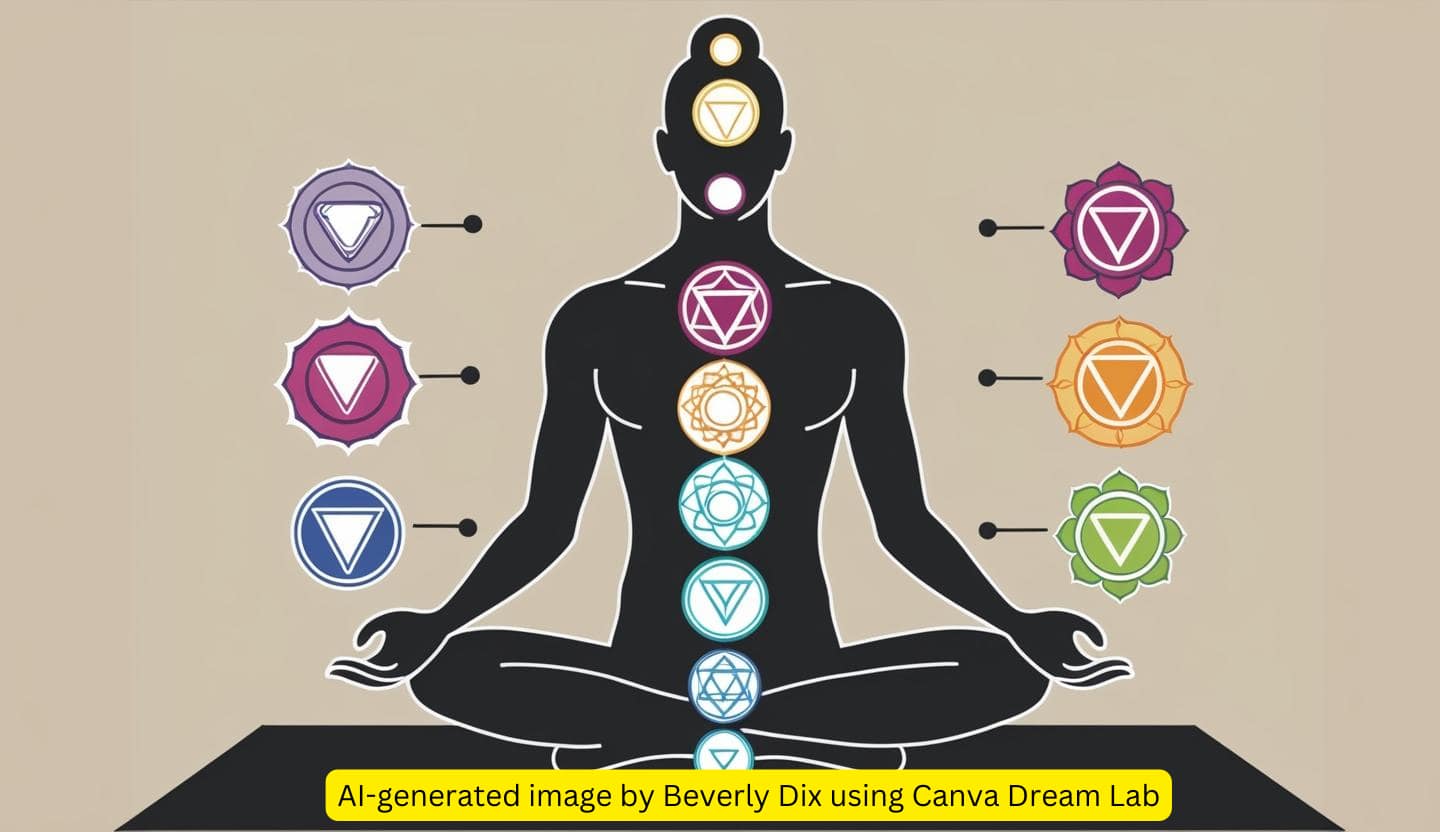
Simona Hudova explains, chakras are specific energy points along the spine. Each plays a unique role in our physical and emotional health. Starting from the base of the spine with the root chakra to the crown chakra just above the head, these seven main chakras form a vertical line of energy that influences various aspects of our lives.
The Seven Chakras and Their Functions:
- Root Chakra (Red): Located at the base of the spine, it is concerned with basic survival needs such as food, shelter, and safety. It represents our foundation and feeling of being grounded.
- Sacral Chakra (Orange): Positioned around the lower abdomen, this chakra is linked to our feelings of abundance, well-being, pleasure, and sexuality.
- Solar Plexus Chakra (Yellow): Found in the stomach area, it governs our self-esteem and confidence, playing a crucial role in decision-making and personal control.
- Heart Chakra (Green or Pink): Situated around the chest area, it is the center of love, warmth, compassion, and joy. This chakra bridges the gap between our body, mind, spirit, and the external world.
- Throat Chakra (Blue): Located in the throat, it influences our ability to communicate our personal power. It is a vital force for expressions of truth and integrity.
- Third Eye Chakra (Indigo): Found on the forehead, between the eyebrows, it is a gateway to intuition and foresight. The key to unlocking this chakra is to nurture your sense of self and your inner wisdom.
- Crown Chakra (Violet or White): At the very top of the head, it represents our ability to be fully connected spiritually. This chakra helps you access higher states of consciousness.
How Chakras Influence Our Health
Simona Hudova emphasizes that understanding and maintaining your chakras can enhance your physical, emotional, and spiritual well-being. Issues in a specific chakra can manifest as physical ailments or emotional disturbances. For instance, a blockage in the throat chakra can lead to difficulties in self-expression and throat health issues.
Practical Applications of Chakra Knowledge
Learning about your chakras can provide practical benefits, such as improving your emotional health, overcoming addictions, or dealing with stress. Techniques such as meditation can help rebalance these energy centers, leading to improved health and increased vitality.
Example Exercise for Clearing the Root Chakra:
- Sit in a comfortable position and take deep breaths.
- Visualize breathing in clean energy and exhaling any negativity or darkness.
- Focus on the root chakra at the base of your spine. Visualize a vibrant red color intensifying with each breath.
- Feel the energy flowing through your body, grounding and stabilizing you.
This simple exercise can help alleviate feelings of disconnection and promote a sense of security and stability.
Conclusion
The wisdom of chakras offers valuable insights into how we can manage and enhance our energy flow to improve various aspects of our lives. As Simona Hudova explains, whether it’s through meditation, color therapy, or understanding the specific needs of each chakra, we can use this knowledge to foster physical health and emotional balance.
Stay tuned for more insights on how these ancient practices can benefit your modern life. Join me next time as I continue to explore the power of holistic wellness and spiritual health.
- Wisneski L, Anderson L. The Scientific Basis of Integrative Medicine. Evid Based Complement Alternat Med. 2005 Jun;2(2):257–9. doi: 10.1093/ecam/neh079. Epub 2005 Apr 13. PMCID: PMC1142191.<https://www.ncbi.nlm.nih.gov/pmc/articles/PMC1142191/>