
Table of Contents
Last Updated on November 1, 2025 by Beverly Dix

What is Self-Awareness?
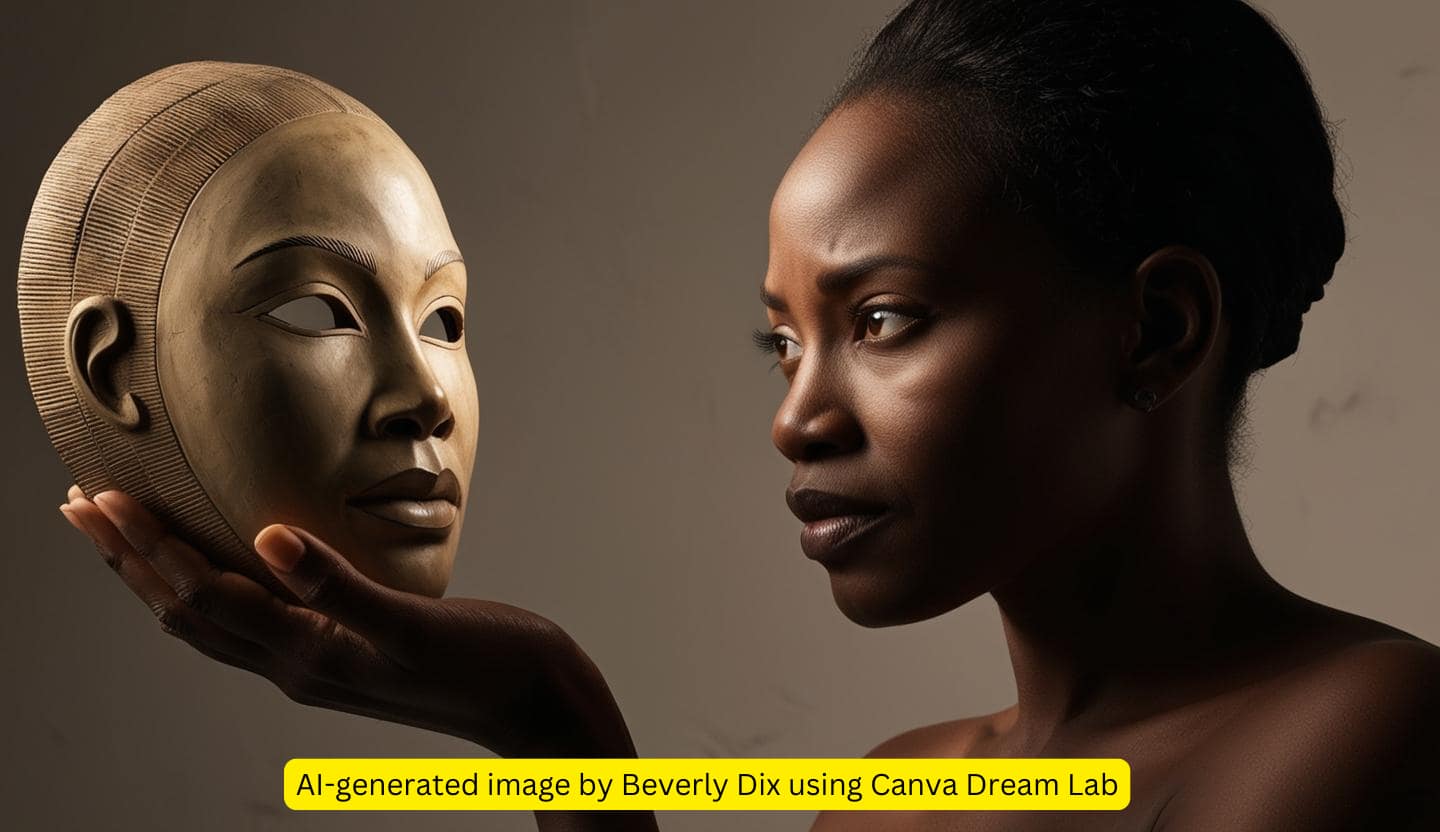
Self-awareness is an important life skill. Explore the interplay of your mind, body, and spirit. Contemplate your feelings, emotions, thoughts and beliefs. Be self-aware. Understand who you are. See yourself with clarity. Know what you stand for. This is self-awareness.
Therefore, by strengthening and refining the skill of self-awareness, we learn to ask better questions. Our deepest beliefs, feelings, and motivations are not mysteries. We become empowered and make better decisions. No longer ambivalent, we do not say we will do one thing and actually do another.
Why is Self-Awareness Important?
Self-awareness is a tool. It helps us find balance and improve our health. Through the process of questioning ourselves, we make private, personal evaluations. Actively, we examine the attitudes we hold about ourselves. In this way, we can identify limiting ideas and beliefs we have held. While discovering we can change our minds about our narrow-mindedness, prejudice, and ignorance. In order to make changes in our lives that last, we must become self-aware. When we have balance in our lives, we can discover passion, experience joy, sustain hope, and live with a clear sense of purpose. Tapping into your mind-body-spirit connections leads to balance and consequently better health.
Seeds of Self-Awareness: Meditation.
In 2015, I began a class in meditation. At the Buddha Mind Monastery, the striking of a wooden fish signaled the start of sitting meditation. When we first began to meditate as a class, the instructions given were to count one’s breaths when exhaling. This we were told would keep our minds from wandering.
Sometimes during sitting meditation, my mind traveled. Other times, it did not. On days it didn’t, my body slightly rocked to the rhythm of my heartbeat. Effortlessly. And I would feel an amazing sense of rest and deep relaxation. As well, I became aware of tension carried in my body.
My jaw oftentimes clenched. Also, I realized my right trapezius, my wing, ached and had for years. At least since my 30s. As well, I discovered the stress I carried in my forehead. But with each meditation session some of that too was released.
Self-Awareness & Stress Responses.
In addition to attending this once-a-week meditation class, I began practicing at home. Sometimes, while sitting in the dark, my back against a wall, I counted my breaths. Inhaling and exhaling to a count of four. At other times, I did not do this. Instead, in my bedroom I sat in silence, interested to see on what journey my thoughts would take me. Monkey mind the Buddhists call that. For me such wandering was a gift.
Like an eagle in flight, I soared high above the map of my life. With newly discovered clarity, I could see my territory. Where I lived. The themes of my unique story. Yes, I was strong and determined in some areas. But more importantly, there were valleys of anxiety and fear I had lacked the courage to explore. Worn out and weary, I had become sick. In the past, it felt wiser to ignore the reasons for my pain. For years there had been anger I attempted to hide. And temptations that seemed constantly threatening.
Self-Awareness & Changing My Mind.
My fledgling attempts at meditation offered me help in times of emotional need. I found peace when anxious. Courage when fearful. Relief when sick or in pain. Rest when weary. Comfort in sorrow. In time, what became most apparent to me was how my thoughts were changing. I wasn’t quite as angry as I had been for a long time. As well, I wasn’t as peeved by circumstances that habitually annoyed me to no end.
At the Buddhist temple, after thirteen weeks, our class of sixty, the majority of whom were women, divided into several groups. The class instructor asked us to share with one another the changes we had seen in ourselves over the course of our meditation practice.
Most people in my group talked about day-to-day incidents they previously found challenging. Also life situations that were unpleasant and/or stressful. Interestingly, though many of those circumstances remained, as a group we agreed that our thinking about our difficulties had changed. Somehow, each person’s ability to cope with stress seemed improved. As a group, hands down, over a thirteen-week period we believed we had become less pissed off. We were more considerate of others and less prone to hostility. More importantly, on the whole, we became less willing to blame someone else for our negative mindsets and emotions.
A Seed Well Planted Flourishes in Its Season.
Clearly, in most of the class participants seeds of self-awareness had been planted. As I sat that day on the floor at Buddha Mind Monastery, contemplating my life’s current flux, someone in my group said: “It is the interpretation of life’s events that influences the quality of our lives.” Wonderfully stated, I felt. Well put. Yes…but…and for the next few years I dabbled in meditation, on and off.
Then, the COVID19 pandemic hit. Moreover, I found myself at that metamorphic midnight we all will encounter many times in a lifetime… Dark days. In the thicket…temporarily blinded. You have been there, I’m sure. But this COVID19 morass was truly nothing any of us had experienced before. Consequently, navigation seemed impossible.
My thinking temporarily became distorted. And intellectualizing my problems failed to serve me. I kept saying to myself, What a mess! And how can I…? And when will I?… I needed an idea to go on, an inspiration I could feel in my gut…Then, it came to me. A phrase the old black preachers I heard growing up frequently said: “A seed well planted flourishes in its season.” And so it was, in time, I returned to my practice of regular, daily meditation.
Self-Awareness, A Balanced Life, Better Health.
Meditation is a tool that will increase your self-awareness. And it is the path that sent me on a journey towards heightened self-awareness, a more balanced life, and better health.
The first stages of the COVID19 pandemic threw us into states of extreme social and personal upheaval. Consequently, many of us continue to experience fear and uncertainty about our futures. Across generations, people are reassessing what is meaningful. Evaluating their jobs, for example, and relationships. Making an effort to understand what is in fact worthy of their precious time and attention.
Redefining notions of value necessitates asking difficult questions. Our motivations must, therefore, be seriously considered. And we cannot help but discover, contrary to what we previously believed, we are filling in all “the blanks” differently. There was a time before COVID. But now there is COVID. We are angered, sorrowful, excited when…Our feelings of fear and insecurity are aroused by…We can be courageous if…As we conduct our personal inquiries, we are presented with peculiarly individual truths, new understanding, and compassion.
Self-contemplation to increase self-awareness became my saving grace. My diligent meditative practice carried me through the death of my dad at the start of the pandemic. Consoled my loneliness in the aftermath of divorce and loss of friends. And, above all else, meditation helped me discover a new purpose for my life.

Take a Leap: Learn to Think Differently.
Here’s a fact I find fascinating. Our society assigns value to many things that destroy individuals. By this, I mean any activity, endeavor, pursuit, thought, or feeling that diminishes vitality and/or causes pain.
I will go even further and suggest: To free ourselves from self-inflicted pain, each of us must discover their own unique mind-body-spirit connection. Achieving this balance requires learning to think differently. Moreover, ask and answer self-empowering questions and the life you are living becomes a more meaningful expression of your best self.
In my post Chasing Wellness? Health Literacy Prevents Chronic Disease, I discuss seven diseases killing Americans. These are preventable and the end result of chronic inflammation caused by the ultra-processed food we habitually eat.
So, ultra-processed food is killing us? Yes. But we can’t seem to stop buying it and eating it. Does that sound crazy? It is crazy. But to draw that conclusion is not good enough! More importantly, by developing your self-awareness you increase your personal power. Only then will you actively shape your vision of who you are and would like to be. As you do so, I would bet your relationship with food will change.
Today, in October 2025, as I look back, the COVID 19 pandemic was a prelude to the historical shift the world is now undergoing. With the advent of fundamental economic changes–for example, the increasing use of artificial intelligence in the workplace–people are experiencing increasing levels of stress. And so it is, in order to emotionally thrive, we must train ourselves to regularly contemplate our circumstances.
Ask Tough Questions.
Your mind, thoughts, body, and spirit reflect your state of health. Therefore, considering deeper questions will help you make lasting change in your life.
- Could the food you eat be responsible for your mood?
- How does your health influence your life?
- Is your health affecting your family? Your responsibilities at home?
- Are your recreational or social activities dictated by your health?
- Does your health impact your ability to perform your occupation?
- Has your sexual behavior changed because of your health?
- Is your health interfering with your sleep?
- How does the state of your health influence how you feel about yourself? Do you feel your health affects your confidence, self-esteem, or happiness? What about your attitude?
Becoming Self-Aware — Tanya’s Inner Journey.
Tanya had made tangible progress—her blood sugar was improving, her meals were balanced, and she finally felt in control of her body again. But one quiet evening after dinner, as she sat sipping herbal tea instead of soda, she realized something deeper was happening. This journey wasn’t just about food. It was about her life.
The more she learned, the more she noticed how closely her health mirrored her emotions, her stress, and even her sense of purpose. Her mind, body, and spirit were in conversation—and she was finally listening.
Could the Food She Ate Be Responsible for Her Mood?
Tanya began to notice how her moods rose and fell with what she ate. The sugary coffee drinks she once relied on gave her a temporary rush, then left her irritable and anxious. Now, starting her mornings with a protein-rich breakfast steadied her energy and her emotions. She no longer snapped at her kids before work or needed an afternoon nap to survive the day. She realized that feeding her body real food was also feeding her peace of mind. The fog was lifting—not just because of her improved blood sugar, but from the quality of her thoughts.
How Does Health Influence Life?
It dawned on Tanya that every choice she made rippled outward. When she fueled herself well, she was more patient, more present, and more capable of joy. She began scheduling her day around nourishment instead of convenience—packing lunches, preparing balanced dinners, and setting aside quiet time for reflection. Her life felt less like a rush of obligations and more like a rhythm she could manage.
Health and Family
Tanya’s new habits changed the tone of her household. Her husband started joining her evening walks, and her teenagers—at first skeptical—began asking to cook “Mom’s healthy tacos.” Tanya saw that her commitment wasn’t only reshaping her own life; it was influencing the people she loved most. The family table, once filled with takeout containers and smartphones, had become a place of connection again.
Social Life and Recreation
Tanya had spent years declining invitations—cookouts, fitness classes, even weekend hikes—because she felt too tired or self-conscious. But now, her energy was returning, and so was her confidence. She said yes to a friend’s yoga class, then to a local community walkathon. Each time she showed up, she felt a spark of the woman she used to be—the one who laughed easily, who liked how she felt in her own skin.
Work and Focus
At her job, Tanya’s newfound vitality began to shine. She no longer relied on caffeine to push through the morning or fight afternoon slumps. Her productivity improved, and so did her attitude. Coworkers began to notice: “You seem lighter,” one said. “What’s your secret?” Her secret wasn’t a pill or a plan—it was awareness. She had stopped ignoring her body’s signals and started honoring them.
The Private Side of Health
There was another change Tanya hadn’t expected: her intimacy with her husband improved. As her confidence grew, so did her desire for closeness. She realized how much her past fatigue, irritability, and self-consciousness had built invisible walls. With better health came renewed affection—and gratitude. For the first time in years, she felt vibrant, not just functional.
Sleep and Self-Perception
Undisturbed sleep had always been difficult for Tanya. Restless nights, late-night scrolling, and sugar crashes had stolen her rest. Now, her evenings were calm: a walk, a warm shower, a cup of tea, and her phone left charging in another room. Tanya’s sleep deepened, her mornings brightened, and her reflection in the mirror no longer carried the weight of exhaustion. When she looked at herself now, she saw a woman in progress—not perfect, but aware, growing, and grounded.
The Mind-Body-Spirit Connection
As Tanya continued reading Your Prediabetes/High Blood Sugar Playbook, she began journaling her thoughts and emotions associated with her meals. She noticed that when she practiced gratitude or took time to breathe before eating, her digestion improved. When she forgave herself for “slipping up,” her stress—and her blood sugar—stayed steady.
She began to understand that real healing wasn’t only physical—it was spiritual. Her mindset, self-talk, sense of joy, and peace were all part of the same ecosystem as her blood sugar. Her health wasn’t just numbers on a screen—it was how she felt about living.
A New Kind of Awareness
By the end of that season, Tanya realized she was no longer just reversing prediabetes. She was redefining her life. Her choices reflected respect—for her body, her time, her family, and her spirit. Every healthy meal, every walk, every deep breath was an act of self-love. And for the first time in a long while, she felt whole.
Summary.
- Self-awareness is an essential life skill.
- Self-awareness can lead to lasting positive life changes.
- Meditation is a powerful tool you can use to:
- Identify stressors.
- Learn to think differently.
- Self-awareness leads to a balanced life and better health.
- Ask tough questions.