
Table of Contents
Last Updated on March 17, 2025 by Beverly Dix
.Physical Benefits of Active Aging
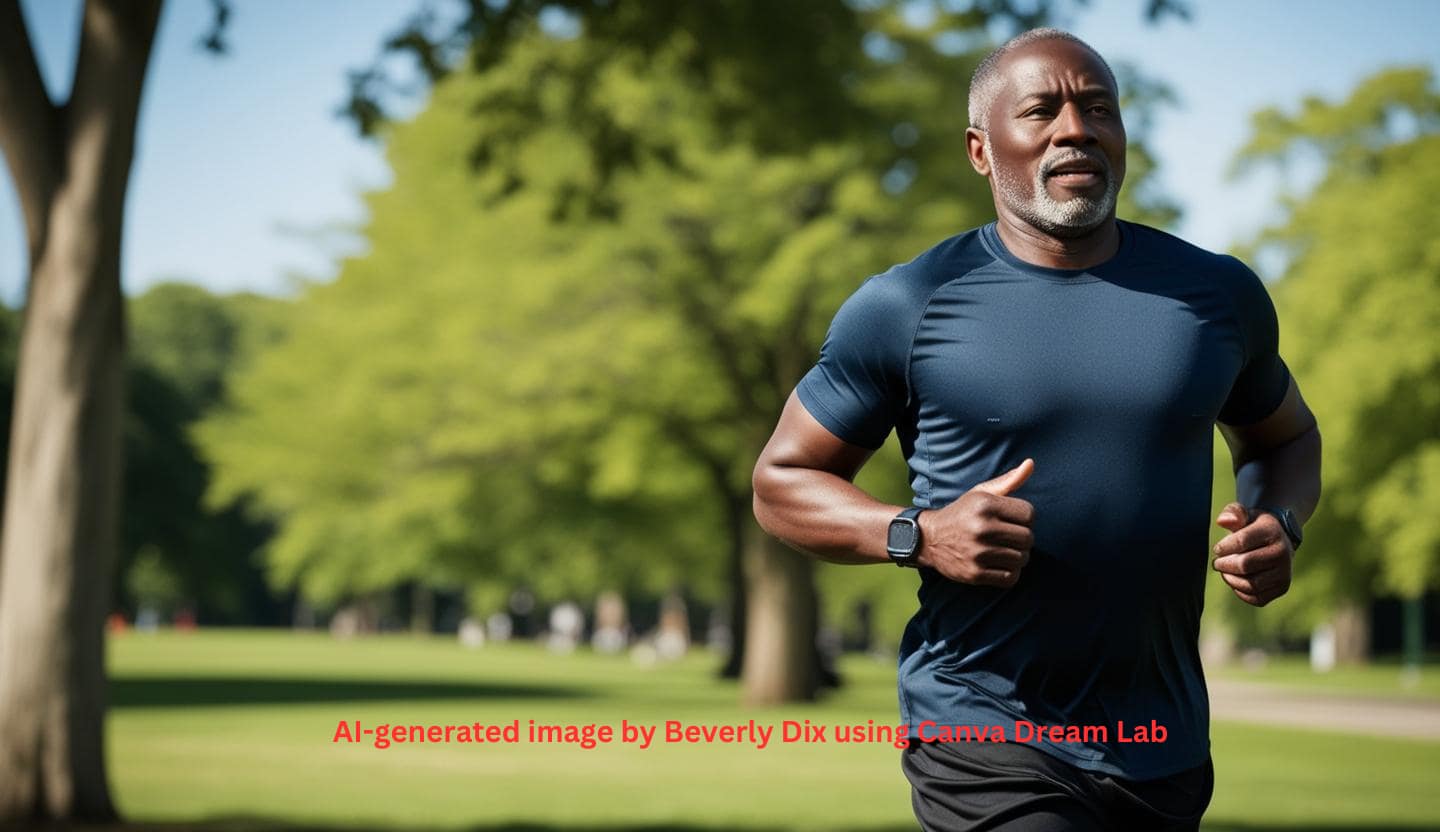
Active aging that includes physical activity for the purpose of improving or maintaining physical fitness has short-term and long-term benefits, according to the Centers for Disease Control (CDC). The short-term benefits include better sleep, decreased depression and/or anxiety, and decreased blood pressure (https://www.cdc.gov/physical-activity-basics/benefits/index.html). The long-term benefits include improving and maintaining flexibility, mobility, and range of motion. Preventing falls and other injuries allows us to remain independent and able to perform activities of daily living.
Research shows that people who remain physically active have a lower risk of heart disease, stroke, type-2 diabetes, and arthritis. Exercise to achieve physical fitness strengthens the heart and improves lung function. For example, the heart’s increased ability to pump blood into your lungs and throughout your body means more blood moves to the muscles and raises levels of oxygen in the blood. Consequently, more oxygen in the blood reduces levels of stress and increases energy. Strengthens our immune system. Speeds up our metabolism and helps replace cells that are no longer optimally functioning.
Exercise Prevents Decline
As we age, maintaining our balance and strength prevents falls and injuries so that we can continue to live independently. Of note, people who exercise regularly are more likely to achieve and maintain a healthy weight. Also, regular physical activity can lower blood pressure, raise HDL (good) cholesterol levels, and help your body better manage blood sugar and insulin levels, which lowers your risk for type-2 diabetes.
Furthermore, consistent exercise can lower your level of pain and improve your mood. It can also reduce inflammation in your body as measured by C-reactive protein (CRP), an indicator of inflammation in the body. Lastly, better bone density results from regular weight-bearing activities requiring foot-to-floor heel-strike motion, such as walking, thus reducing the risks of osteoporosis, fracture, and disability.
The physical benefits of active aging include reduced risk of chronic diseases including heart disease, diabetes, and arthritis; maintaining mobility, balance, and strength to prevent falls and stress injuries; and improved longevity and overall vitality.
Mental Benefits of Active Aging
Physical activity enhances our ability to think, learn, make decisions, and exercise good judgment, thus lowering the risk of dementia. According to the National Institute on Aging, research shows that older adults with an active lifestyle are less likely to develop dementia, heart disease, stroke, and some forms of cancer; live longer; are happier and less depressed; are resilient; and may be able to improve their brain function (https://www.nia.nih.gov/health/healthy-aging/participating-activities-you-enjoy-you-age).
Think about ways in which you might improve your mental function. Consider activities you love involving movement like dancing, yoga, or playing a sport. Regularly connecting with friends and family, learning something new, making friends, and volunteering in the community are a few ways to find connection. Also, developing stress-relieving habits is essential and might include reading, listening to music, gardening, and practicing meditation and gratitude.
These are a few suggestions. Do your own exploration and discover what is right for you. Express your authentic self.
The mental benefits of staying active and engaged include prevention of mental deterioration, enhanced mental health by reducing levels of anxiety, stress, and depression; and improved memory, focus, and decision-making skills.
Emotional & Social Benefits of Active Aging
People who are active and engaged have regular contact with other people. This allows them to develop a broad network of support. Being involved with others who share their interests provides a sense of belonging. It’s a give-and-take. We can ask for help when we need it and offer help to others.
We can strengthen our connections by focusing our attention on developing high-quality, meaningful relationships with others across our network. In this way, we experience less stress, have better sleep and likely will live longer, healthier lives.
Creating new and stronger relationships enhances our health and sense of well-being. Meaningful social connections allow us to feel loved, cared for, and valued.
The emotional and social benefits of staying active and engaged include: an increased sense of purpose and self-esteem; combatting loneliness and isolation through social engagement; and building and maintaining meaningful relationships.
Conclusion
Aging is an opportunity to become more engaged in life, rather than a time to withdraw. Active aging results in physical, mental, and emotional and social benefits. These include living longer and healthier lives, where we remain part of the community and do not view the aging process as a time when we are no longer of value to society.
As we age, let us embrace a modern paradigm for aging, in which we seek opportunities for enrichment and self-fulfillment in new and exciting ways we have not experienced before.